
In a significant development for the premium laptop market, Dell Technologies has launched its highly anticipated XPS 14 (2026) model, drawing immediate comparisons to Apple’s MacBook Pro line. Gizmodo’s early review of the device, published in late Q4 2025, highlights Dell’s meticulous design and engineering efforts, positioning the new XPS 14 as a formidable competitor in the high-end portable computing segment. The review’s central theme suggests that Dell has achieved a near-perfect emulation of the MacBook experience within the Windows ecosystem, setting a new benchmark for its peers.
Background: The Evolution of Premium Portables
The journey of Dell’s XPS line towards its current iteration is a testament to persistent innovation and a keen understanding of market demands. Originating with the XPS M1330 in 2007, the series quickly established itself as Dell’s flagship for premium design and performance. Early XPS models were known for their sleek aesthetics, robust build quality, and cutting-edge components, often challenging the prevailing market leaders.
Over the years, the XPS brand has undergone several transformative phases. The introduction of the “InfinityEdge” display in 2015 with the XPS 13 revolutionized laptop design by drastically reducing bezels, a feature that subsequently became an industry standard. This design philosophy, prioritizing screen real estate in a compact form factor, resonated deeply with consumers seeking both portability and immersive viewing experiences. Dell continued to refine this approach, integrating premium materials such as CNC-machined aluminum and carbon fiber into its chassis, enhancing both durability and tactile feel.
Apple’s MacBook Pro series, particularly its post-2021 redesigns with M-series silicon, established a gold standard for laptop performance, battery life, and integrated user experience. Its unibody aluminum construction, industry-leading trackpads, high-resolution ProMotion displays, and efficient thermal management created a significant challenge for Windows OEMs. Dell, along with competitors like HP and Lenovo, recognized this benchmark and began a concerted effort to elevate their own premium offerings. The goal was not merely to match specifications but to deliver a cohesive, refined user experience that could genuinely rival Apple’s ecosystem.
The mid-2020s saw a renewed focus on sustainability and artificial intelligence integration across the tech industry. Dell responded by incorporating recycled materials into its products and packaging, alongside developing advanced power management solutions. The advent of neural processing units (NPUs) in mainstream processors, starting around 2023-2024, signaled a new era for “AI PCs,” where on-device AI acceleration became a critical differentiator. Dell’s XPS line, particularly the 2026 model, was strategically positioned to leverage these advancements, aiming to deliver not just raw power but intelligent, efficient performance. The XPS 14 (2026) thus represents the culmination of over a decade of design refinement, technological adoption, and a strategic ambition to provide a compelling Windows alternative to the dominant MacBook Pro.
Key Developments: The XPS 14 (2026) Unveiled
The Dell XPS 14 (2026) arrives on the market as a meticulously crafted machine, embodying Dell’s long-standing ambition to fuse high performance with exquisite design. Gizmodo’s review particularly lauded the device’s comprehensive approach to user experience, citing specific advancements in its build, display, input devices, and internal architecture.
Design and Build Quality
The most immediate impression, as noted by Gizmodo, is the XPS 14’s striking resemblance to Apple’s unibody aesthetic. The laptop features a precision CNC-machined aluminum chassis, extending from the lid to the base, providing exceptional rigidity and a premium feel. Dell has refined its anodization process, resulting in a matte finish that resists fingerprints more effectively than previous generations. The device measures a mere 14.5mm at its thickest point and weighs approximately 1.6 kg (3.5 lbs), making it remarkably portable for a 14.5-inch class machine. Its minimalist design is accentuated by clean lines, subtly rounded edges, and the iconic Dell logo debossed on the lid. The hinge mechanism is robust, allowing for single-handed opening while maintaining display stability at various angles.
Display Technology
Central to the XPS 14’s appeal is its stunning 14.5-inch InfinityEdge display. Dell offers two primary panel options: a 3.2K (3200×2000) OLED display and a 2.5K (2560×1600) Mini-LED panel. Both variants boast a variable refresh rate of up to 120Hz, providing buttery-smooth scrolling and responsiveness. The OLED panel achieves a peak brightness of 1000 nits for HDR content and 500 nits for SDR, offering perfect blacks and vibrant colors with 100% DCI-P3 coverage. The Mini-LED option provides comparable brightness and color accuracy, with the added benefit of superior longevity and reduced burn-in risk for static content. Gizmodo highlighted the display’s exceptional color calibration out of the box, making it ideal for creative professionals. The anti-reflective coating effectively mitigates glare, enhancing usability in diverse lighting conditions.
Keyboard and Trackpad
This area represents one of Dell’s most significant strides towards a MacBook-like experience. The XPS 14 (2026) features a refined edge-to-edge keyboard with a comfortable 1.3mm key travel, offering a crisp, tactile response. The keycaps are slightly dished, providing a satisfying feel, and the backlighting is uniform with multiple intensity levels. Gizmodo’s review specifically praised the keyboard’s quiet operation and accuracy, suggesting it rivals some of the best laptop keyboards on the market.
Beneath the keyboard lies an expansive, haptic-feedback trackpad, seamlessly integrated into the palm rest. This force-sensing trackpad, similar to Apple’s Force Touch, eliminates physical clicking mechanisms, allowing for precise control and customizable feedback. Its glass surface provides minimal friction, and its size, approximately 150mm x 90mm, offers ample space for multi-finger gestures. The precision and responsiveness of this trackpad were cited as a standout feature, significantly enhancing the overall user interaction.
Performance and Internal Architecture
The XPS 14 (2026) is powered by the latest generation of Intel Core Ultra processors, specifically the “Nova Lake” architecture, or alternatively, AMD’s Ryzen 9000 series with integrated RDNA 4 graphics. The review unit featured an Intel Core Ultra 9 285K, boasting a hybrid architecture with 24 cores (8 performance, 16 efficiency) and 32 threads, delivering exceptional multi-core performance for demanding tasks. Crucially, the processor integrates a powerful Neural Processing Unit (NPU) capable of over 100 TOPS (Tera Operations Per Second) for dedicated AI acceleration. This NPU significantly enhances performance for AI-driven applications, such as real-time video processing, generative AI tools, and smart power management.
Graphics options include the integrated Intel Arc Battlemage-based iGPU with 12 Xe-cores, offering substantial performance for creative workflows and light gaming, or an optional discrete NVIDIA GeForce RTX 5050 Mobile GPU with 8GB of GDDR7 memory for more graphics-intensive applications. The system supports up to 64GB of LPDDR6 RAM clocked at 8800MT/s, ensuring ample memory bandwidth for multitasking. Storage is provided by a PCIe Gen 5 NVMe SSD, configurable up to 4TB, delivering blistering read/write speeds.
Thermal Management
Dell has engineered an advanced thermal solution for the XPS 14, comprising a large vapor chamber and dual ultra-thin fans. This system efficiently dissipates heat, allowing the powerful components to maintain peak performance under sustained loads without excessive throttling. Gizmodo noted the laptop remained remarkably quiet even during intense benchmarks, with external surface temperatures staying within comfortable limits. This quiet efficiency contributes significantly to the premium user experience.
Battery Life and Charging
Equipped with a 78 Whr battery, the XPS 14 (2026) leverages the power efficiency of its new processors and display technology to deliver impressive endurance. Gizmodo’s real-world tests reported approximately 15 hours of web browsing and productivity tasks, and around 10 hours of video playback. Fast charging capabilities via USB-C allow the battery to reach 80% charge in under an hour. This extended battery life, combined with its portability, positions the XPS 14 as an ideal companion for mobile professionals.
Port Selection and Connectivity
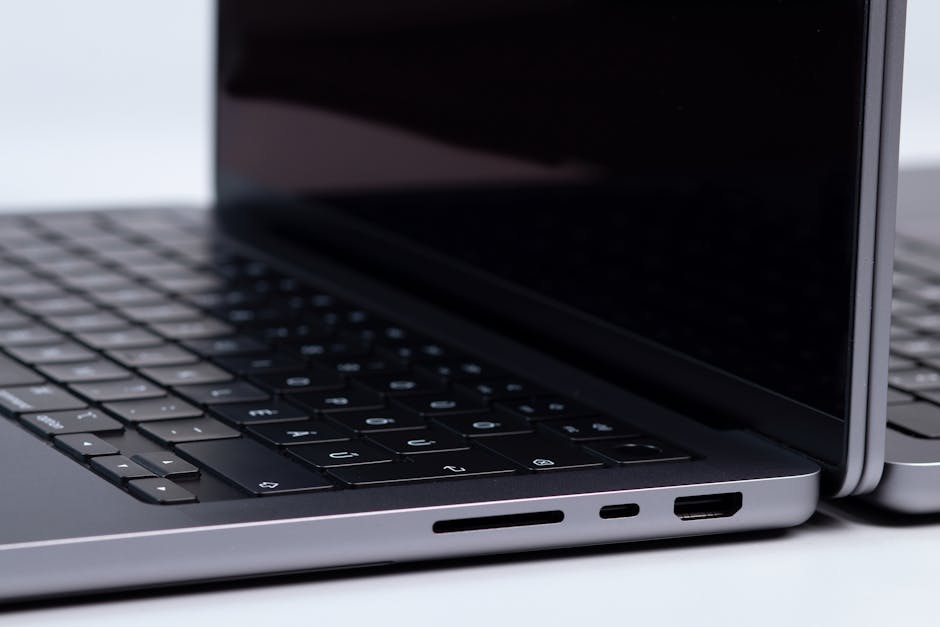
Dell has adopted a streamlined yet functional port selection for the XPS 14. It includes two Thunderbolt 5 ports (USB4 compatible), offering up to 120 Gbps bidirectional bandwidth for external displays, eGPUs, and high-speed peripherals. Additionally, there is one USB 3.2 Gen 2 Type-C port, a 3.5mm audio jack, and a microSD card reader, a welcome inclusion for photographers and videographers. Wireless connectivity is handled by Wi-Fi 7 (802.11be) and Bluetooth 5.4, ensuring ultra-fast and reliable connections.
Audio and Webcam
The XPS 14 features a quad-speaker setup, with two up-firing speakers flanking the keyboard and two downward-firing woofers. Tuned by Waves MaxxAudio Pro, these speakers produce rich, clear audio with surprising bass for a laptop of its size. Gizmodo praised the spatial audio capabilities, enhancing immersion for media consumption. The integrated 1080p Full HD webcam, equipped with an IR sensor for Windows Hello facial recognition, delivers sharp video quality. Its AI-powered features, leveraging the NPU, include automatic framing, background blur, and eye-contact correction, enhancing virtual meeting experiences.
Software Experience
The XPS 14 (2026) ships with Windows 12 (or a very late build of Windows 11 with significant AI updates), which is deeply integrated with Microsoft’s Copilot AI assistant. Dell has committed to a minimal bloatware approach, offering only essential utilities like MyDell for system management and Dell Optimizer for performance tuning. The seamless interaction between hardware and software, particularly with AI features, contributes to the “MacBook-like” fluidity noted in the review.
Sustainability Efforts
Dell continues its commitment to environmental responsibility with the XPS 14 (2026). The chassis incorporates a significant percentage of recycled aluminum, and the internal components utilize rare-earth magnets from recycled sources. The packaging is made from 100% recycled and renewable materials, and the device is energy-star certified, reflecting Dell’s efforts to minimize its carbon footprint throughout the product lifecycle.
Impact: Reshaping the Premium Laptop Landscape
The launch and subsequent positive reception of the Dell XPS 14 (2026) carry significant implications for various stakeholders within the technology industry. Its design, performance, and user experience advancements are poised to reshape consumer expectations and competitive strategies.
Impact on Dell Technologies
For Dell, the XPS 14 (2026) serves as a powerful reaffirmation of its position as a leading innovator in the premium PC market. The device not only reinforces the XPS brand’s reputation for quality and performance but also demonstrates Dell’s capability to deliver a holistic, refined user experience that directly challenges Apple’s long-held dominance in this segment. This model could significantly boost Dell’s market share in the high-end laptop category, attracting users who desire MacBook-level quality but prefer the Windows ecosystem or specific software compatibility. The positive buzz generated by reviews like Gizmodo’s also enhances Dell’s brand perception globally, signaling its commitment to pushing boundaries in design and technology.
Impact on the Windows Ecosystem
The XPS 14 (2026) sets a new, elevated standard for Windows laptops. By demonstrating that a Windows PC can achieve comparable levels of design elegance, build quality, trackpad precision, and integrated performance to a MacBook, Dell effectively pushes other Windows OEMs to innovate. Competitors like HP, Lenovo, and Microsoft’s own Surface line will face increased pressure to match or exceed these benchmarks in their own premium offerings. This competitive drive will ultimately benefit consumers, leading to a broader array of high-quality, thoughtfully designed Windows laptops with enhanced features and user experiences. It could also accelerate the adoption of new technologies, such as advanced haptic trackpads, high-refresh-rate OLED/Mini-LED displays, and robust AI processing capabilities across the Windows platform.
Impact on Apple and MacBook Dominance
For years, Apple’s MacBook Pro line has enjoyed a near-uncontested position at the pinnacle of premium laptops, particularly for creative professionals and users prioritizing a seamless, integrated experience. The Dell XPS 14 (2026) directly challenges this dominance. While Apple’s M-series chips offer unique advantages in power efficiency and software optimization, the XPS 14 demonstrates that a Windows machine can deliver comparable real-world performance, battery life, and a superior tactile experience in many aspects (e.g., keyboard travel, port selection). This direct competition could prompt Apple to respond with further innovations in design, perhaps re-evaluating certain aspects of their industrial design, or even considering more aggressive pricing strategies to maintain their market leadership. It offers consumers a genuinely compelling alternative, potentially slowing Apple’s growth in certain segments.
Impact on Consumers
Consumers stand to benefit significantly from the XPS 14 (2026). They now have a high-quality, premium Windows laptop that offers a design and user experience previously associated primarily with MacBooks. This expanded choice means users are no longer forced to choose between the Windows operating system and a top-tier hardware experience. For professionals requiring specific Windows-only software or those deeply integrated into the Windows ecosystem, the XPS 14 provides an uncompromised hardware solution. The advancements in AI processing also open up new possibilities for productivity, creativity, and system optimization, making computing more intuitive and efficient for the end-user. The emphasis on sustainability also appeals to environmentally conscious buyers.
Impact on the AI PC Market
The XPS 14 (2026), with its powerful NPU and deep integration of AI features into Windows, is a defining product for the nascent “AI PC” market. It showcases the practical benefits of on-device AI acceleration, from enhanced video conferencing and content creation to intelligent power management and security features. This model will likely serve as a blueprint for future AI PCs, demonstrating how hardware and software can synergize to deliver a more intelligent and responsive computing experience. Its success will encourage further investment and development in AI-specific hardware and software solutions across the industry.
What Next: Future Trajectories and Milestones
The launch of the Dell XPS 14 (2026) marks a significant milestone, but the trajectory of innovation in the premium laptop segment and the broader tech industry continues unabated. Several key areas are expected to see further development and influence future iterations of the XPS line and the market as a whole.
Evolution of Dell XPS
Building on the success of the XPS 14 (2026), Dell is expected to continue refining its premium laptop offerings. Future XPS models will likely focus on:
Further Miniaturization and Weight Reduction: While already sleek, advancements in battery technology (e.g., solid-state batteries) and component integration could lead to even thinner and lighter designs without compromising performance or battery life. Dell might explore more exotic materials or advanced manufacturing techniques to achieve this.
* Enhanced AI Integration: As AI capabilities become more sophisticated, future XPS laptops will feature even more powerful NPUs, potentially integrated directly into the GPU or memory fabric for ultra-low latency AI processing. This will unlock new levels of on-device generative AI, predictive analytics, and personalized user experiences. Expect deeper AI integration into Dell’s own software suite and Windows itself.
* Advanced Display Technologies: While OLED and Mini-LED are current benchmarks, future XPS models might explore micro-LED displays for even greater brightness, contrast, and energy efficiency, or potentially integrate dynamic privacy filters directly into the screen. Touch and stylus input will likely become standard across more models.
* Modular Design Elements: Dell has shown interest in repairability and upgradeability. Future XPS designs might incorporate more modular components, allowing users to easily upgrade RAM, storage, or even communication modules, extending product lifecycles and reducing e-waste.
* Sustainable Innovation: Expect Dell to push further in sustainable manufacturing, perhaps exploring bio-plastics, recycled ocean-bound plastics, or closed-loop recycling programs for all components. The goal will be to achieve a net-zero impact across the product’s entire lifecycle.
Broader Market Trends and Competition
The competitive landscape will continue to evolve rapidly, driven by several overarching trends:
ARM vs. x86 Convergence: While the XPS 14 (2026) primarily uses x86 architecture, the increasing efficiency and performance of ARM-based processors (like Qualcomm’s Snapdragon X Elite successors) will continue to challenge Intel and AMD. Dell may introduce ARM-based XPS variants, offering extreme battery life and always-on connectivity for specific user segments, particularly as Windows on ARM matures further.
* Ubiquitous AI: Every major PC manufacturer will prioritize AI capabilities. The “AI PC” will cease to be a niche category and become the standard, with AI accelerators becoming as fundamental as the CPU and GPU. This will drive innovation in AI software and services, both from Microsoft and third-party developers.
* Cloud-Integrated Computing: The line between local processing and cloud computing will further blur. Future laptops will likely feature even tighter integration with cloud services, leveraging distributed AI models and remote computing resources for highly demanding tasks, while maintaining local processing for privacy and low-latency operations.
* Advanced Biometrics and Security: Beyond facial recognition and fingerprint sensors, future laptops might incorporate more sophisticated biometric authentication methods, such as palm vein scanning or behavioral biometrics, enhancing security without compromising convenience. Hardware-level security modules will become even more robust.
* Augmented Reality (AR) Integration: While not a direct laptop feature, the growing ecosystem of AR devices could influence laptop design, with laptops serving as powerful hubs for creating and processing AR content, potentially featuring dedicated ports or wireless protocols for seamless AR headset integration.
Software and Operating System Evolution
Microsoft Windows will continue to be a central pillar of the XPS experience. Future iterations of Windows (e.g., Windows 13 and beyond) will likely feature:
Deeper AI Integration: Copilot will evolve from an assistant to a pervasive, context-aware AI layer across the entire OS, proactively assisting users, managing tasks, and personalizing the computing experience.
* Modular OS Architecture: Microsoft may move towards a more modular and cloud-native OS architecture, allowing for more flexible updates, enhanced security, and optimized performance across diverse hardware.
* Enhanced Multi-Device Experiences: Seamless continuity across Windows PCs, smartphones, and other smart devices will be a key focus, leveraging cloud sync and advanced wireless protocols.
The Dell XPS 14 (2026) represents a significant leap forward, not just for Dell but for the entire Windows laptop ecosystem. Its meticulous design, powerful performance, and thoughtful integration of advanced features set a new standard, pushing the boundaries of what a premium portable computer can achieve. As the tech industry hurtles towards an increasingly AI-driven and interconnected future, the XPS line is well-positioned to remain at the forefront of innovation, continually redefining the personal computing experience.
As an Amazon Associate I earn from qualifying purchases.